

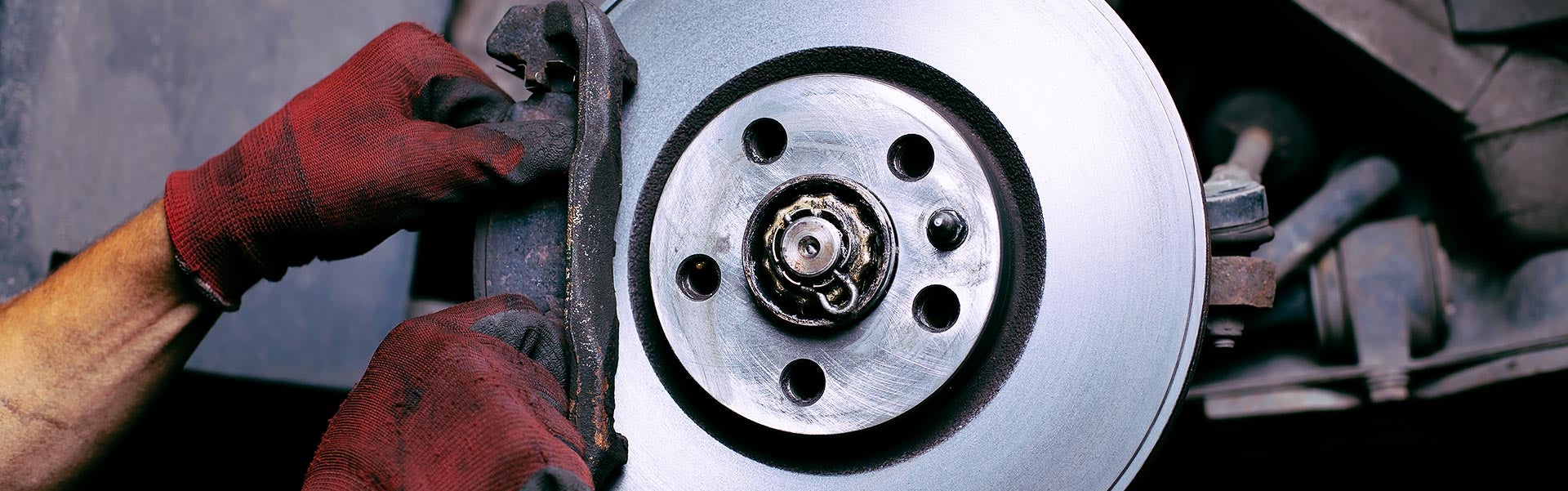
What Are the Main Components of Your Brakes?
When it comes to vehicle safety, your brakes are one of the most important systems on the road. Yet many drivers in Dothan, Alabama have questions about how they actually work. This FAQ breaks down the key components that make up your brake system, so you can feel more confident about your vehicle's maintenance needs.
Your brakes are made up of several interconnected parts that work together to slow and stop your vehicle. Understanding each one can help you recognize warning signs before they become bigger problems.
What Do Brake Pads Do?
Brake pads are one of the most commonly discussed brake components, and for good reason. They are the friction material that presses against the brake rotor to slow your vehicle. Over time, brake pads wear down and need to be replaced. Most pads include a small metal wear indicator that produces a squealing noise when it is time for a change.
Ignoring worn brake pads can lead to damage to other parts of your brakes, so it is worth checking them regularly.
What Is the Role of the Brake Rotor?
The brake rotor - sometimes called a disc - is the large metal disc that your brake pads clamp onto. It spins along with your wheel and is responsible for converting the kinetic energy of your moving vehicle into heat through friction. Rotors can develop grooves, warping, or rust over time, which may cause vibration or pulsing when you apply the brakes.
If you feel a shudder through the brake pedal, the rotor is often the first place to look.
How Do Brake Calipers Work?
The brake caliper is the component that houses your brake pads and applies pressure to the rotor. When you press the brake pedal, hydraulic pressure causes the caliper to squeeze the pads against the rotor. Calipers can stick or seize over time, which can cause uneven braking or premature pad wear.
A sticking caliper may also cause your vehicle to pull to one side when braking, which is a clear signal that something needs attention.
What Is Brake Fluid and Why Does It Matter?
Brake fluid is the hydraulic fluid that transfers the force from your brake pedal through the system to the calipers. It operates under high pressure and extreme temperatures, so it needs to be clean and at the proper level to function correctly. Over time, brake fluid absorbs moisture, which can lower its boiling point and reduce braking effectiveness.
Checking brake fluid as part of your regular maintenance routine is a simple step that supports the overall health of your brakes.
What About Brake Lines and the Master Cylinder?
Brake lines are the tubes that carry brake fluids from the master cylinder to each wheel. The master cylinder is the component that generates the hydraulic pressure when you press the pedal. If a brake line develops a leak or the master cylinder fails, you may notice a soft or spongy feeling when pressing the brake pedal - a warning sign that should never be ignored.
Visit Bondy's Nissan
Understanding the components of your brakes - including pads, rotors, calipers, fluids, lines, and the master cylinder - helps you stay ahead of potential issues and keep your vehicle performing safely. This FAQ is a great starting point for any driver who wants to be more informed about their vehicle's most critical safety system. If you have additional questions or are due for a brake inspection, the service team at Bondy's Nissan is ready to help drivers throughout Dothan, Alabama, keep their vehicles road ready.